

Many serious health conditions start quietly. No dramatic warning sign. No sudden interruption. Just numbers that slowly move in the wrong direction or small symptoms that are easy to explain away. That’s why adults shouldn’t wait until something feels wrong to schedule preventive screenings. A preventive care doctor in Paramus, NJ can help check blood pressure, cholesterol, blood sugar, cancer screening needs, weight and metabolic health, vaccines, and mental health concerns before problems become harder to manage. Preventive care is not a yearly box to check. It’s a practical way to understand your risks and make better decisions with medical guidance.
Why Seeing a Preventive Care Doctor in Paramus, NJ Matters Before Symptoms Start

A lot can change in the body before symptoms show up. High blood pressure, high cholesterol, prediabetes, and early cancer risk can lie silent for months or years. A preventive care visit gives your doctor the chance to look at patterns, not just complaints. Your age, family history, lifestyle, medications, past lab results, and your current concerns all matter. Two adults of the same age may need very different screening plans.
Hope Medical Group offers primary care, internal medicine, annual exams, preventive visits, and continuous health support in Paramus, NJ. For many adults, that local continuity is important. Your doctor can look at changes over time, rather than treating every visit as a new event.
What Is Preventive Screening?
Preventive screenings are health checks that search for early signs of disease or risk before symptoms appear. These are not definitive diagnostic tests. A diagnostic test is typically ordered to evaluate a symptom or abnormal finding. You are screened earlier, often when you are feeling well. Screening needs may change with age, family history, previous results, work exposures, travel, chronic conditions, and lifestyle habits.
| Screening area | What it may help identify |
| Blood pressure | Heart, stroke, kidney, and vascular risk |
| Cholesterol | Long-term cardiovascular risk |
| Blood sugar | Prediabetes or diabetes risk |
| Cancer screenings | Early signs of certain cancers |
| Weight and metabolic review | Broader cardiometabolic patterns |
| Vaccines | Gaps in adult immunization protection |
| Mental health and sleep | Stress, depression, fatigue, and lifestyle risks |
1. Blood Pressure Screening for Heart and Stroke Risk
Blood pressure screening is one of the simplest routine health screening steps, but it can be one of the most important. High blood pressure often has no obvious symptoms. Over time, it can raise the risk of heart disease, stroke, kidney disease, and circulation problems. Adults with stress, weight changes, diabetes risk, family history, or older age may need closer monitoring.
One elevated reading does not always mean you have hypertension. Coffee, pain, anxiety, rushing into the office, or poor sleep can affect the number. That’s why repeat readings, home monitoring, and context matter. During a preventive care visit for adults in Paramus, NJ, your doctor can help decide whether a reading is a one-time spike or part of a pattern.
2. Cholesterol Screening for Long-Term Cardiovascular Health
Cholesterol testing helps estimate heart disease risk before symptoms develop.
A lipid panel typically looks at:
- LDL cholesterol, often discussed as “bad” cholesterol
- HDL cholesterol, often discussed as “good” cholesterol
- Triglycerides, a type of blood fat
- Total cholesterol
Cholesterol problems can affect adults who are healthy and at a normal weight. A good example is family history. Even if they are active and eat pretty well, someone with a parent or sibling who had early heart disease may need regular cholesterol screening. Results may guide lifestyle modifications, discussions for further testing or medications. This is where preventive medicine Paramus, NJ gets personal. The goal is not to react to any one lab number. It’s to get the whole picture of cardiovascular risk.
3. Blood Sugar Monitoring in Paramus, NJ for Diabetes and Prediabetes Risk
Blood sugar monitoring helps detect prediabetes or diabetes risk before symptoms become severe. Common tests include fasting glucose and A1C. Fasting glucose measures blood sugar at one point in time, usually after not eating overnight. A1C gives a broader view of average blood sugar over the past few months.
Adults may benefit from blood sugar monitoring in Paramus, NJ if they have weight changes, fatigue, high blood pressure, high cholesterol, a family history of diabetes, or other metabolic concerns. Early detection can give you room to act before complications develop. And sometimes the useful part is the trend. A number that is still “normal” but slowly rising over several years may tell your doctor something worth discussing.
4. Cancer Screenings Adults Should Discuss
Cancer screening recommendations depend on age, sex, family history, symptoms, and medical guidelines.
Adults may need to ask about:
- Colon cancer screening
- Breast cancer screening
- Cervical cancer screening
- Prostate cancer discussion when appropriate
- Skin checks for changing moles or risk factors
A doctor can help decide which screenings fit your situation. The right plan may depend on your age, past abnormal results, family history, smoking history, new symptoms, or lifestyle risk factors. If a relative had colon cancer at a young age, for example, your timeline may differ from someone with no family history. If you’ve had an abnormal Pap test in the past, follow-up may be different too. This is why routine health screening in Paramus, NJ should feel like a conversation, not a generic checklist.
5. Weight, BMI, and Metabolic Health Screening
Weight screening should not revolve around the scale alone. A sudden weight change can point to thyroid issues, medication effects, sleep disruption, stress, fluid retention, metabolic concerns, or lifestyle shifts. BMI can be one tool, but it does not tell the full story.
A fuller metabolic review may include:
- Waist circumference
- Blood pressure
- Cholesterol
- Blood sugar
- Medication review
- Sleep and activity patterns
This is especially useful in adult preventive care in Paramus, NJ, because internal medicine looks at how systems connect. Weight, blood pressure, sleep, mood, and blood sugar often influence each other. Looking at them together can lead to better next steps.
6. Vaccination and Immunization Review for Adults
Immunizations should be reviewed at a preventive visit since adults’ vaccine needs change over time. Adults may need updates based on their age, job, travel, chronic medical conditions, immune status, or previous vaccine records. During a visit, you may hear about flu, COVID-related guidance, shingles, pneumonia, tetanus, and other vaccines. CDC guidance suggests that healthcare providers utilize the adult immunization schedule to assist patients in staying up to date on recommended vaccines. Many adults don’t have their vaccination records. That’s common. It is helpful if you can bring any records you have available, but your doctor can still look at what may be appropriate given your history.
7. Mental Health, Sleep, and Lifestyle Risk Screening
Some of the most useful preventive conversations start with a small comment.
“I’m tired all the time.”
“I’m sleeping badly.”
“I’ve been more anxious lately.”
“My energy isn’t right.”
These concerns may seem minor, but they can affect physical health. Anxiety, depression, chronic stress, poor sleep, fatigue, alcohol use, smoking, and activity changes can influence blood pressure, weight, mood, metabolism, and long-term risk. Many adults wait until symptoms become disruptive. A preventive visit gives you space to bring them up earlier. No need to have the perfect words. Just mention what has changed.
How Often Should Adults Schedule Preventive Screenings?

There is no single screening schedule for every adult. A doctor can help decide what you need now, what can wait, and what should be repeated regularly. Most adults benefit from at least one preventive visit each year. Some screenings may be repeated annually, while others may be spaced out based on your age, health history, family history, previous lab results, and symptoms. If results are abnormal, your doctor may recommend follow-up sooner. If everything is stable, your plan may be simpler. A preventive care visit for adults in Paramus, NJ can help turn vague questions into a clear timeline.
What to Bring to a Preventive Care Visit
Bring anything that helps your doctor understand your health picture.
Useful items include:
- Current medication and supplement list
- Past lab results or screening records
- Family history of heart disease, diabetes, cancer, or other conditions
- Vaccine records, if available
- A short list of symptoms, even if they seem minor
- Questions about sleep, stress, diet, weight, energy, or exercise
Questions to Ask Your Doctor
- Which screenings are most important for my age?
- Do my family history or lifestyle habits change my risk?
- How often should I repeat blood work?
- What do my blood pressure, cholesterol, and blood sugar numbers mean?
- What changes should I focus on before my next visit?
When Should You Not Wait for a Routine Screening?
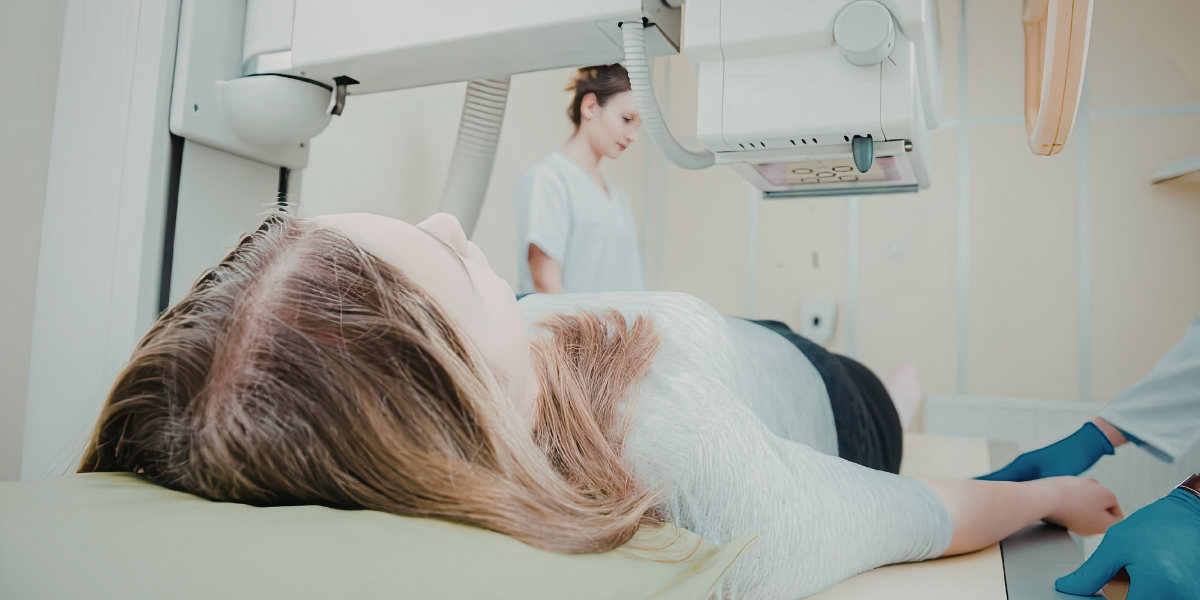
Preventive screenings are for early detection, but new or concerning symptoms should be discussed promptly rather than waiting for an annual visit. Do not delay care for symptoms such as chest discomfort, shortness of breath, fainting, unexplained weight loss, severe fatigue, unusual bleeding, persistent pain, or sudden health changes. Depending on severity, call the office or seek urgent medical attention.
Schedule Adult Preventive Care in Paramus, NJ With Hope Medical Group
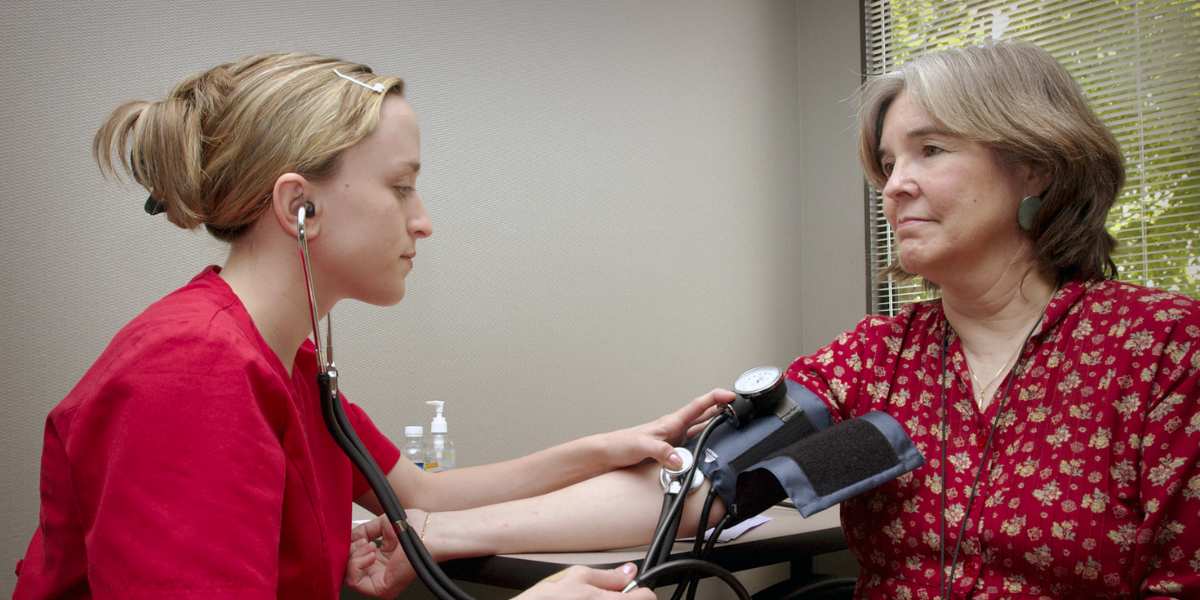
Hope Medical Group helps adults in Paramus stay ahead of health concerns through clear, personalized preventive care. The team can review your medical history, medications, lifestyle, blood pressure, cholesterol, blood sugar, vaccine needs, and screening referrals. If you are looking for a preventive care doctor in Paramus, NJ, Hope Medical Group can help you understand which screenings matter most for your age, health history, and goals.
Key takeaway: The right preventive screening plan helps you stop guessing and start making informed decisions about your long-term health.
Conclusion
Preventive screenings are not simply annual checklist items. They help adults understand risk, catch changes earlier, and make realistic health decisions with medical guidance. To take the next step, call Hope Medical Group or request an appointment online for a preventive care visit in Paramus, NJ. Which screening question has been sitting on your mind the longest? The practice offers primary care and internal medicine support in Paramus, with appointment requests available online and by phone.
Frequently Asked Questions
What preventive screenings should adults not ignore?
Adults should discuss blood pressure, cholesterol, blood sugar, cancer screenings, weight and metabolic checks, vaccines, and mental health or lifestyle screenings with their doctor.
How often should I schedule a routine health screening in Paramus, NJ?
Most adults benefit from a yearly preventive visit, but the right frequency depends on age, medical history, family history, symptoms, and previous results.
Do I need preventive screenings if I feel healthy?
Yes. Many conditions, including high blood pressure, high cholesterol, and prediabetes, may develop without obvious symptoms.
What happens during a preventive care visit for adults in Paramus, NJ?
The visit may include a health history review, medication review, physical exam, blood pressure check, lab work, vaccine discussion, and screening recommendations.
Can a preventive care doctor help with blood sugar monitoring in Paramus, NJ?
Yes. A preventive care doctor can review risk factors, order blood sugar testing such as glucose or A1C when appropriate, explain results, and recommend next steps.

Hi, this is a comment.
To get started with moderating, editing, and deleting comments, please visit the Comments screen in the dashboard.
Commenter avatars come from Gravatar.