

You feel healthy, your daily routine hasn’t changed, and nothing seems unusual. Then a routine blood test reveals that your blood sugar is higher than expected. For many adults, this is how prediabetes is discovered Prediabetes develops when blood glucose levels rise above the normal range but have not reached the threshold for type 2 diabetes. The condition often develops without noticeable symptoms, making early screening especially important. Consulting a prediabetes doctor Paramus NJ can help you understand your personal risk factors, recognize potential warning signs, and decide when blood sugar testing is appropriate. For adults in Paramus, New Jersey, knowing what to watch for can create an opportunity to address metabolic health before blood sugar levels rise further.
What Happens in Your Body During the Early Stages of Prediabetes?
Prediabetes often develops gradually as the body becomes less responsive to insulin. Understanding this process helps explain why blood sugar can increase even when you feel healthy.
How Insulin Resistance Affects Blood Sugar
Insulin is a hormone that helps move glucose from the bloodstream into cells, where it can be used for energy. When cells become less responsive to insulin, the pancreas produces additional insulin to help regulate blood sugar. Over time, the body may struggle to maintain normal glucose levels. An insulin resistance doctor Paramus can evaluate relevant risk factors and determine whether blood sugar testing is needed.
Why Prediabetes Can Develop Without Symptoms
Most people with prediabetes have no obvious symptoms. The body may compensate for insulin resistance for years before glucose levels become noticeably elevated.
Because of this, waiting for symptoms can delay diagnosis. A preventive health evaluation can help identify whether screening is appropriate based on your medical history.
What Are the Early Warning Signs of Prediabetes?
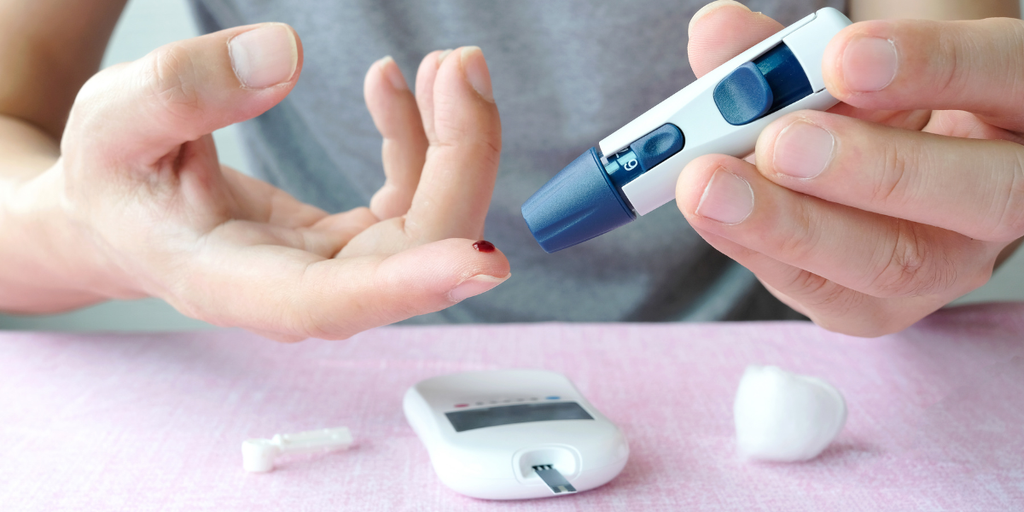
Prediabetes usually causes no clear symptoms. However, certain physical changes and medical risk factors may suggest that closer evaluation is worthwhile. These indicators cannot diagnose prediabetes on their own.
Unexplained Fatigue and Changes in Energy
Persistent tiredness can have many causes, including poor sleep, anemia, thyroid disorders, and stress. Blood sugar problems may contribute to fatigue, but tiredness alone does not establish prediabetes. If your energy levels have changed unexpectedly, discuss your symptoms with your primary care physician rather than assuming glucose is responsible.
Increased Abdominal Weight and Waist Size
Excess abdominal fat is associated with insulin resistance and a greater risk of type 2 diabetes. Changes in waist size, weight, and activity level can help physicians assess metabolic risk. However, prediabetes can also affect people who do not have excess weight. A metabolic health doctor Paramus may consider these measurements alongside medical history and laboratory findings.
Darkened Skin Around the Neck or Underarms
Acanthosis nigricans causes darker, thicker, sometimes velvety skin, commonly around the neck, armpits, or groin. It can be associated with insulin resistance, although other conditions may cause similar changes. A medical examination can help determine whether further investigation is appropriate.
When Symptoms Could Indicate Diabetes
Frequent urination, excessive thirst, blurry vision, and unexplained weight loss may signal elevated blood glucose associated with diabetes rather than early prediabetes. These symptoms deserve timely medical assessment. Severe weakness, vomiting, confusion, or dehydration require urgent care.
Who Is Most Likely to Develop Prediabetes?
Prediabetes risk varies with age, family history, health conditions, and lifestyle. Some risk factors cannot be changed, while others can be addressed through preventive care.
Family History, Age, and Previous Health Conditions
Prediabetes risk may be higher among adults with:
- A parent or sibling with type 2 diabetes.
- Overweight or obesity, particularly abdominal fat.
- A history of gestational diabetes.
- Polycystic ovary syndrome (PCOS).
- High blood pressure or abnormal cholesterol levels.
- Limited regular physical activity.
Age also matters, although younger adults can develop prediabetes.
Why Screening Matters Even Without Symptoms
For residents seeking diabetes risk screening in Paramus, a physician can review whether testing is appropriate now or should be scheduled later. Our annual physical exams provide an opportunity to discuss family history, metabolic concerns, and preventive screening needs.
Which Blood Tests Can Detect Prediabetes Early?
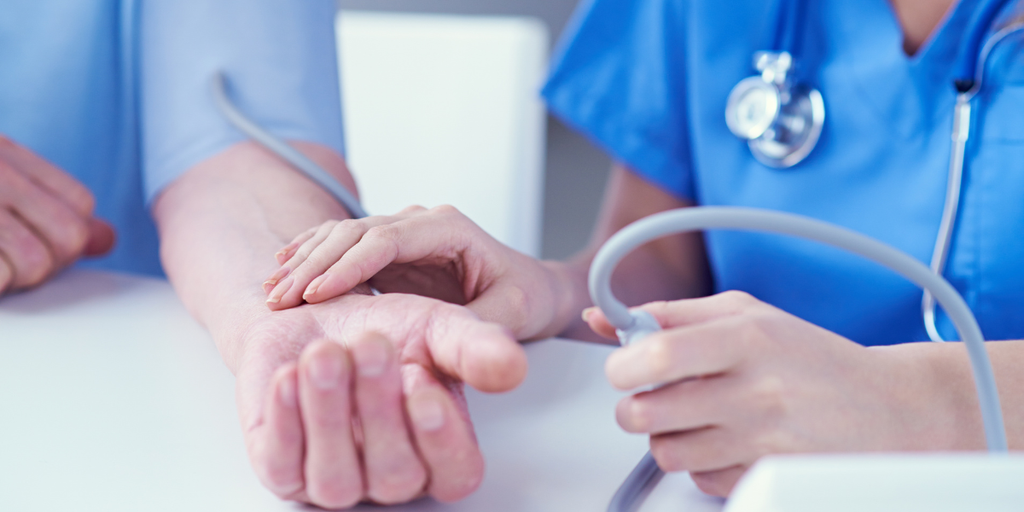
Blood tests are the most reliable way to identify prediabetes. A physician may recommend an A1C test, fasting plasma glucose test, or oral glucose tolerance test. The appropriate test depends on medical history, symptoms, and other clinical findings.
Hemoglobin A1C Testing
The A1C test estimates average blood glucose over approximately two to three months. It usually does not require fasting and is commonly used to screen for prediabetes. Certain medical conditions that affect red blood cells can affect A1C accuracy, so another test may be needed.
Fasting Blood Glucose Testing
A fasting plasma glucose test measures blood sugar after an overnight fast, generally lasting at least eight hours. It helps identify abnormal glucose regulation at a particular point in time. Patients looking for a blood sugar doctor Paramus NJ can discuss which test would provide the most useful information.
Understanding Prediabetes Blood Test Results
These are standard nonpregnant adult thresholds. A diabetes diagnosis generally requires confirmatory testing unless there is clear clinical evidence of diabetes.
How Often Should You Check Your Blood Sugar if You Are at Risk?
Screening frequency depends on previous results and individual risk factors. Having risk factors does not automatically mean you need daily glucose checks. Appropriate blood sugar monitoring Paramus begins with understanding which tests are useful and when they should be repeated.
When Routine Screening May Be Appropriate
For some adults with normal glucose results, repeat screening approximately every three years is reasonable. People with prediabetes often need testing at least annually, while changes in symptoms, medications, or health status may require a different schedule.
Do You Need a Home Glucose Monitor?
Most people with prediabetes do not need routine finger-stick testing or a continuous glucose monitor. A clinician may recommend home monitoring in selected circumstances, particularly when other conditions or treatments affect glucose levels. For blood sugar monitoring Paramus, your physician can help distinguish necessary follow-up testing from measurements unlikely to change your care.
Can You Reverse Prediabetes Before It Becomes Type 2 Diabetes?
Many people with prediabetes can improve their blood glucose levels through sustainable lifestyle changes. Early intervention can reduce the likelihood of progressing to type 2 diabetes. The goal is to make practical improvements that fit your health needs and daily routine.
Build Meals That Support Blood Sugar Control
Balanced meals can help regulate energy intake and blood glucose.
Useful changes include:
- Choosing vegetables, fruits, and fiber-rich foods.
- Including lean protein and healthy fats.
- Replacing sugary drinks with water or unsweetened options.
- Choosing whole grains and reducing highly refined carbohydrates.
- Paying attention to portions and regular eating habits.
Patients can discuss individualized nutrition strategies during diabetes and metabolism care.
Increase Physical Activity Gradually
Regular movement improves insulin sensitivity and supports cardiovascular health. For adults with excess weight, losing approximately 5% to 7% of starting body weight can meaningfully reduce diabetes risk. The National Diabetes Prevention Program has demonstrated substantial benefits from structured lifestyle changes.
Consider Sleep, Stress, and Weight Management
Poor sleep, chronic stress, and certain medications may influence metabolic health. Consistent sleep routines, manageable activity goals, and appropriate weight management can support broader lifestyle improvements. An insulin resistance doctor in Paramus can help evaluate whether additional medical concerns are contributing to metabolic risk. Our primary care services support discussions about these related health concerns.
When Should You See a Doctor About Prediabetes?
You don’t need to wait for severe symptoms to discuss blood sugar concerns. A preventive appointment may be appropriate if risk factors, previous lab results, or changing health conditions raise questions.
If Your A1C or Blood Sugar Is Borderline
An A1C result approaching or entering the prediabetes range deserves discussion with a healthcare professional. Your physician may recommend repeat testing, lifestyle changes, or additional evaluation. A prediabetes doctor in Paramus NJ can interpret results in context and explain whether continued monitoring is necessary.
If You Have Several Metabolic Risk Factors
High blood pressure, abnormal cholesterol, abdominal weight gain, and a family history of diabetes may indicate increased metabolic risk. Patients looking for a metabolic health doctor in Paramus can benefit from evaluating these concerns together rather than focusing exclusively on blood sugar. Our chronic disease management services address ongoing concerns such as diabetes, hypertension, and cholesterol disorders.
If Your Blood Sugar Levels Continue Rising
If repeat tests show increasing glucose levels, medical follow-up becomes especially important. A blood sugar doctor Paramus NJ can assess the pattern, review medications and lifestyle factors, and discuss appropriate next steps. For selected higher-risk patients, medication may also be considered alongside lifestyle intervention, depending on clinical circumstances.
How We Help Patients Identify and Manage Prediabetes at Hope Medical Group in Paramus
At Hope Medical Group, we understand that an unexpected blood sugar result can raise questions about your long-term health. Our Paramus team provides primary care, preventive screening, and diabetes-related management tailored to each patient’s medical history and needs.
We Review Your Personal Diabetes Risk
We discuss family history, previous laboratory findings, medications, activity levels, weight changes, and other relevant health concerns. Our approach to diabetes risk screening Paramus focuses on choosing clinically appropriate tests and explaining the findings clearly. We want patients to understand their risks without feeling overwhelmed by unfamiliar laboratory numbers.
We Help You Understand Your A1C and Glucose Results
Our team reviews blood sugar measurements and discusses what they may mean for your health. When appropriate, we recommend lifestyle adjustments, follow-up testing, and additional care based on your results. We also discuss practical nutrition, exercise, and weight management goals that suit your routine.
We Support Long-Term Metabolic Health
Prediabetes management often requires ongoing attention to blood pressure, cholesterol, physical activity, and other health factors. We provide individualized guidance and follow-up care to help patients monitor progress and adjust their plans when necessary. Our preventive approach focuses on addressing concerns early and supporting informed health decisions.
Conclusion: Take Action Before Prediabetes Progresses
Prediabetes often develops without noticeable symptoms. Recognizing risk factors, understanding blood sugar test results, and seeking appropriate medical screening can help identify concerns before they progress. Lifestyle changes involving nutrition, physical activity, sleep, and weight management can reduce the risk of developing type 2 diabetes. At Hope Medical Group, we help adults in Paramus understand their metabolic health and make informed decisions about preventive care. If you are looking for a prediabetes doctor in Paramus NJ, contact Hope Medical Group to schedule an evaluation and discuss your blood sugar, risk factors, and personalized prevention plan.
