

You wake up exhausted from a long night’s sleep. Maybe you’ve noticed you’re visiting the bathroom several times overnight, or your energy runs out earlier than it used to. It’s easy to put these changes down to getting older. However, prostate health and low energy in men over 40 deserve attention when symptoms persist.
Hormonal changes, prostate conditions, blood sugar problems, and poor sleep can all affect how you feel. An internist can help identify possible causes and recommend appropriate testing. For men considering men’s preventive screening in Paramus, NJ, regular health evaluations offer a practical starting point.
Why Prostate Health and Energy Levels Deserve Attention After 40
Your body naturally changes with age, but those changes don’t follow the same pattern for everyone. Understanding what is normal for you helps you recognize symptoms worth discussing with your doctor.
Understanding Physical and Hormonal Changes After 40
Gradually decreasing levels of testosterone, muscle mass, metabolism, and activity changes can impact energy. However, as men get older, the prostate may also grow in size, but many men have no symptoms. A testosterone symptoms doctor in Paramus can look at your overall health, lifestyle, and medical history to determine whether hormonal changes or another condition may explain how you’re feeling.
Early Warning Signs Men Should Not Ignore
If you feel fatigued for no known reason, have difficulty being attentive, or experience less interest in sex, it may indicate a problem. Also look out for urinary changes, such as a weaker stream, sudden need to urinate, or needing to get up to urinate at night.
A urinary symptoms doctor for men in Paramus can evaluate these symptoms and help determine whether they’re related to prostate health, diabetes, medications, or another condition.
Essential Prostate Health Screenings Men Over 40 Should Discuss

Prostate screening decisions should reflect your health history and individual risk. Your doctor can explain which evaluations may be helpful, when to consider them, and what the results could mean.
PSA Blood Test: Understanding Prostate Cancer Screening
The prostate-specific antigen (PSA) is a protein made by the prostate tissue. High levels can be found with prostate enlargement, inflammation, or cancer, and a raised level doesn’t necessarily indicate cancer. American Urological Association guidance supports discussing baseline PSA testing around ages 45 to 50 for average-risk men, or 40 to 45 for those at increased risk. A preventive care visit provides an opportunity to discuss screening benefits and limitations.
Digital Rectal Examination (DRE)
During a digital rectal examination, your doctor checks the prostate’s size, shape, and firmness through the rectal wall. This examination may help investigate urinary problems or provide additional information following an unusual PSA result. DRE is not recommended as a standalone prostate cancer screening test. Your internist can explain whether the examination would be useful for your particular symptoms or circumstances.
Understanding Common Prostate Conditions
Benign prostatic hyperplasia is a non-cancerous swelling that can lead to a weak stream or frequent urination. Prostatitis is an inflammation of the prostate, which can result in discomfort in the pelvis, pain when urinating, or fever. Often, early prostate cancer has no signs or symptoms. Talking with a prostate health doctor in Paramus will enable you to learn about these conditions and whether additional testing or evaluation by a specialist is recommended.
When Should Men Seek a Prostate Evaluation?
If urinary urgency returns, it is difficult to start, or the bladder doesn’t empty fully, do not ignore these symptoms. Describe the onset of symptoms and how it impacts your daily activities.
If your bladder suddenly stops working, you need urgent treatment. Blood in the urine or fever with painful urination should be treated immediately. Your internist might suggest that you have urine tests, an examination, or a referral to a urologist.
Important Blood Tests to Investigate Low Energy and Fatigue
Persistent tiredness can have several causes, and blood testing may help identify some of them. A men’s physical exam with lab work in Paramus should focus on your symptoms, medical history, and individual health risks.
Free and Total Testosterone Testing
Testosterone supports sexual function, muscle strength, and other important bodily processes. Low levels may contribute to reduced libido, fewer morning erections, or decreased strength, although fatigue alone cannot confirm a deficiency. Typically, the first test performed is a morning measurement of total testosterone after fasting. Low results are to be confirmed the following morning. Free testosterone testing may be beneficial when results are near the edge or if there are problems with any of the binding proteins.
Thyroid Function Testing: TSH and Free T4
Hypothyroidism can cause you to feel cold, fatigued, or sluggish. Other symptoms include constipation and weight loss. Thyroid-stimulating hormone (TSH) is usually the first test when thyroid dysfunction is suspected. Free T4 may help clarify certain results, while T3 testing is generally unnecessary for diagnosing hypothyroidism. Your doctor will interpret these findings alongside your symptoms.
Metabolic Testing: HbA1c and Fasting Blood Glucose
High blood sugar can contribute to ongoing tiredness, especially when diabetes is poorly controlled. HbA1c estimates average glucose levels over approximately three months, while fasting glucose measures blood sugar at a particular time. Metabolic concerns may also be associated with urinary symptoms. When testing identifies a problem, diabetes and metabolism care can help guide appropriate monitoring and treatment.
Additional Blood Tests Based on Symptoms
Sometimes the explanation for fatigue lies elsewhere. A complete blood count can help identify anemia or other blood abnormalities, while kidney and liver tests may be useful when clinically appropriate. Your doctor may recommend additional investigations based on medications, nutrition, or existing health conditions. The aim is to understand what’s contributing to your symptoms and choose meaningful next steps.
Other Common Causes of Low Energy in Men Over 40
Not every man struggling with fatigue has a hormonal problem. Sleep quality, medical conditions, medications, and everyday habits can affect energy in ways that are easy to overlook.
Sleep Problems and Chronic Fatigue
You might spend eight hours in bed and still wake up exhausted. Sleep apnea can repeatedly interrupt breathing during sleep, leaving you tired and struggling to concentrate. Loud snoring, morning headaches, and daytime sleepiness are common warning signs. Irregular sleep schedules can cause similar difficulties. A low energy doctor for men in Paramus may recommend further sleep evaluation when your symptoms suggest disrupted rest.
Lifestyle and Underlying Medical Conditions
Stress, limited exercise, poor nutrition, and weight changes can gradually affect your stamina. Chronic pain, depression, diabetes, cardiovascular problems, and certain medications may also contribute. A testosterone symptoms doctor in Paramus should consider these possibilities before recommending hormonal treatment. Sometimes improving sleep, reviewing medication, or managing an existing condition can help address the underlying problem.
What to Expect During a Men’s Annual Physical With Lab Work
A routine physical gives you time to discuss changes you’ve noticed but haven’t addressed. Scheduling an annual physical exam in Paramus can also help you stay current with recommended preventive care.
Reviewing Medical History and Personal Risk Factors
Your doctor may ask about family histories of prostate cancer, diabetes, and heart disease, along with previous medical results. Expect questions about sleep, energy, weight, medications, urinary habits, and sexual health. Some topics can feel uncomfortable, but sharing accurate details helps guide care. Even small observations, such as when fatigue began, may offer useful clues.
Physical Examination and Preventive Screening
Your physical may include blood pressure measurements, weight assessment, and a review of cardiovascular risks. Your internist may also discuss cholesterol testing, diabetes screening, colorectal cancer screening, vaccinations, and PSA testing when appropriate. During a men’s annual physical in Paramus, NJ, examinations and laboratory tests should reflect your health needs. Every man does not require the same tests simply because he has reached a particular age.
Understanding Results and Planning Follow-Up Care
An unexpected laboratory result can feel worrying, but it rarely tells the whole story. Your doctor may repeat certain tests, compare previous findings, review medications, or recommend further evaluation.
A men’s physical exam with lab work in Paramus should help you understand the results and what happens next. Specialist referrals may be appropriate when prostate, urinary, or hormonal concerns need additional investigation.
Lifestyle Habits That Support Prostate Health and Better Energy

Everyday habits can influence how you feel as you get older. Small, consistent changes are often easier to maintain and can support your overall health alongside appropriate medical care.
Balanced Nutrition and Weight Management
Build meals around vegetables, fruit, whole grains, healthy fats, and adequate protein. Drink water regularly, although reducing fluids shortly before bedtime may help if nighttime urination is troublesome. Maintaining a healthy weight supports metabolic and cardiovascular health. If weight management has become difficult, a medical weight loss program may provide individual guidance. Avoid products promising quick prostate or testosterone fixes.
Regular Exercise and Quality Sleep
Walking, cycling, and other enjoyable activities can help build endurance. Resistance exercises support muscle strength, particularly as you age. If you’ve been inactive, start with manageable sessions and increase gradually. Good sleep habits matter too. Keep a consistent bedtime and discuss persistent snoring or daytime fatigue with your doctor. Physical activity and quality sleep may improve energy, but persistent symptoms still need evaluation.
Managing Long-Term Health Risks
Follow blood pressure, cholesterol, and blood sugar levels as advised by your doctor. If blood pressure remains elevated, discussing hypertension care may help you understand appropriate monitoring and treatment. Don’t smoke, don’t over drink and check medicines for side effects. Follow-up and preventive screening for men in Paramus, NJ will help you deal with your current health problems as well as new ones.
How Hope Medical Group Supports Prostate Health and Men’s Preventive Care in Paramus, NJ
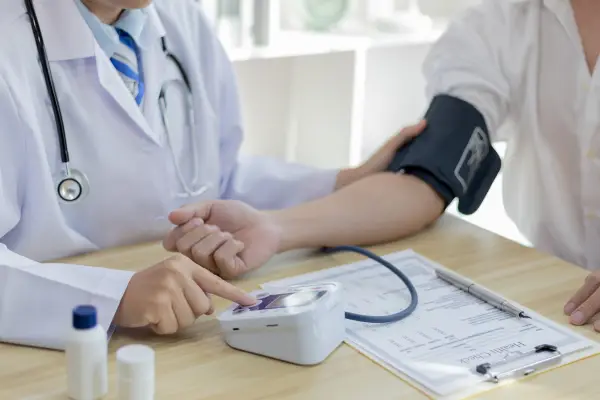
At Hope Medical Group, we provide adult primary care in Paramus, NJ, with our board-certified internal medicine physician, Dr. Philip Fermano. We also welcome men from nearby communities, including Fair Lawn, River Edge, and Hackensack, who need preventive care and support for ongoing health concerns.
Comprehensive Preventive Screenings and Laboratory Evaluations
We encourage our patients to discuss concerns about low energy, urinary changes, sexual health, or possible hormonal symptoms during their appointments. We review medical histories, assess symptoms, and recommend appropriate testing based on individual health needs. Our care also includes support for patients managing diabetes, hypertension, cholesterol concerns, thyroid conditions, and weight-related problems. For men seeking personalized men’s health care in Paramus, NJ, we provide regular health evaluations to address concerns and guide preventive care.
Long-Term Health Management and Specialist Coordination
We understand that some health concerns require ongoing attention rather than a single appointment. Through regular follow-up visits, we monitor our patients’ symptoms, review medications, and adjust care recommendations when necessary. We also support patients managing diabetes, hypertension, and other long-term conditions through chronic disease management. When further evaluation is needed, we can coordinate referrals to urologists or endocrinologists to help our patients receive appropriate specialist care.
Prioritize Your Health After 40 With Hope Medical Group
If fatigue, urinary or prostate issues are impacting your everyday life, make an appointment to see us. We’ll review your symptoms, discuss possible causes, and help you understand which screenings or further evaluations may be appropriate for your health.
Conclusion
Changes in energy, urinary habits, and hormonal health can become noticeable after 40, but persistent symptoms deserve proper attention. Prostate enlargement, low testosterone, thyroid problems, diabetes, poor sleep, and other medical conditions may contribute to how you feel. An internist can help identify possible causes and discuss whether PSA screening, testosterone testing, thyroid evaluation, or blood sugar tests are appropriate. Healthy eating, regular activity, better sleep, and ongoing preventive care also play an important role in maintaining long-term health. If you’re experiencing ongoing tiredness, changes in urination, or concerns about prostate health, schedule a consultation with Dr. Philip Fermano at Hope Medical Group in Paramus, NJ. Take the next step: Review your symptoms, discuss your screening options, and develop a care plan suited to your needs.
