
A cough that keeps you awake, a stubborn fever, or sudden stomach trouble can leave you wondering whether to call a doctor. Some symptoms settle with rest. Others deserve a closer look. A sick visit with an internist in Paramus, NJ gives you a chance to explain what is happening and receive advice that considers your medical history, ongoing conditions, and medications. If you are feeling unwell, knowing how the appointment works can help you arrive prepared and leave with a clearer plan.
When Should You Schedule a Sick Visit With an Internist?
You do not need an appointment for every minor cold. But symptoms that linger, worsen, or disrupt sleep and daily activities deserve attention.
Common Symptoms That May Require Medical Attention
People often book sick visits for fever, chills, cough, congestion, or a sore throat. Headaches, dizziness, nausea, digestive discomfort, and unusual fatigue can also prompt a visit. Watch how symptoms change. A cough that steadily improves is different from one that becomes painful or affects breathing. If respiratory complaints continue, Hope Medical Group explains its approach to respiratory issues care. A doctor can check for possible causes and advise on next steps.
Why Choose an Internist for Adult Sick Visits?
Internists care for adults, including people managing several health concerns at once. They assess common illnesses while considering how diabetes, high blood pressure, or regular medication might affect treatment. A familiar physician already knows your medical history. Previous test results and treatment decisions may help put new symptoms into context. That continuity is one benefit of ongoing primary care services in Paramus.
How to Prepare for Your Sick Visit in Paramus, NJ

You do not need to arrive with every answer. A few notes and an accurate medication list help your doctor understand what has changed.
Scheduling a Same-Day Sick Visit
Tell the office when symptoms began and whether they are worsening. Mention persistent fever, difficulty keeping fluids down, or medical conditions that may complicate an illness. If you need same-day sick visit primary care in Paramus, ask the office about open appointments. Hope Medical Group offers same-day visits when scheduling permits, although availability varies. Do not wait for a routine opening if you have symptoms that could be life-threatening.
Track Your Symptoms Before the Appointment
Note when you first felt unwell and how your symptoms have changed. Record temperature readings, possible exposure to illness, and any trouble eating, sleeping, or working. Write down treatments you tried and whether they helped. It is useful to bring questions, too: How long might recovery take? What changes should prompt another call? Notes are easier to share when you feel unwell.
Prepare Your Medical Information and Medication List
Bring your insurance details, relevant records, and a list of prescriptions and supplements. Include over-the-counter cold medicines, pain relievers, and fever reducers, noting when you last took them. Check Hope Medical Group’s insurance information if you have coverage questions. Continue prescribed medication as directed unless a healthcare professional advises otherwise. Skipping doses to keep symptoms visible can create risks.
What Happens During the Initial Intake and Triage?
Your visit usually begins with a few questions and basic health measurements. These checks help guide the examination.
Checking Your Vital Signs
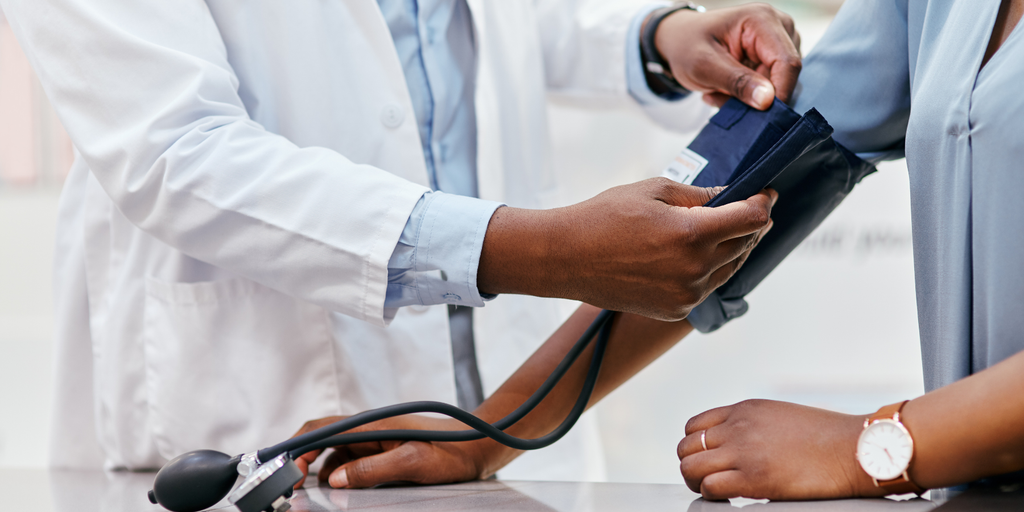
A nurse or medical assistant might take your temperature, blood pressure, pulse, and oxygen saturation. Each helps answer a different question about your current condition, including whether you have a fever or concerning changes in circulation or breathing. The numbers are useful, but they do not tell the whole story. Your physician considers them alongside your symptoms, particularly with coughing, dizziness, or possible dehydration.
Reviewing Your Symptoms and Health History
Staff may confirm why you booked the appointment and ask about allergies, medication, and existing medical conditions. They might also ask about recent illnesses, hospital visits, or treatment elsewhere. Share details that seem unrelated. A thyroid condition or recent medication change can influence how an internist evaluates a new illness. This background helps your physician prepare for a focused examination.
What Happens During the Internist’s Physical Examination?
A sick visit focuses on the problem you have now. Unlike a routine wellness appointment, which covers broader preventive needs, the examination is shaped by your symptoms and health history.
Discussing Your Symptoms in Detail
Expect questions about when the illness began, whether symptoms come and go, possible exposures, and what you tried at home. Your physician may ask what makes you feel better or worse. With a cough, sleep disruption, mucus, or shortness of breath can matter. With nausea, the timing of symptoms and your ability to drink fluids may be important. Your internist also considers chronic conditions and medications before recommending the next step.
Performing a Focused Physical Examination
With a sore throat or cough, the doctor may examine your throat, listen to your lungs, and assess breathing. Stomach discomfort may call for a gentle abdominal examination to check tenderness. When fever or infection is suspected, the physician looks for relevant physical findings. You will not necessarily need every examination or test. An annual physical, by comparison, reviews general health and prevention rather than concentrating on one immediate concern.
Identifying Possible Causes of Your Illness
Several illnesses look alike early on. Fever, aches, and tiredness can accompany influenza, COVID-19, or other infections, so symptoms alone may not identify the cause. Your doctor considers the pattern of symptoms, medical history, vital signs, and examination findings. Testing may help when the diagnosis remains unclear. Hope Medical Group also describes its evaluation of infectious diseases, including common infection-related health concerns.
What Diagnostic Tests Might Be Recommended During a Sick Visit?
Not every illness needs testing. Your internist recommends a test when the result could help confirm a diagnosis, guide treatment, or identify a concern requiring further evaluation.
Common Point-of-Care Tests
Your doctor may suggest fast testing for strep throat, influenza, or COVID-19, depending on your symptoms. Burning during urination or other signs of a urinary tract infection may prompt a urine test. These tests answer specific questions. A negative rapid result does not always rule out an illness, so your physician may consider other findings or recommend additional testing. Testing should guide your care.
When Additional Blood Work or Imaging May Be Needed
Blood work may help when symptoms persist, seem unusually severe, or suggest another medical problem. A chest X-ray may be considered if the examination raises concern about pneumonia. Results can guide treatment, further evaluation, or specialist referrals. Many common illnesses can be managed without additional investigations. This judgment is part of internal medicine care in Paramus, where your immediate symptoms are considered alongside your wider health needs.
What Happens After Your Examination? Treatment and Recovery

After the examination, your doctor explains what the findings suggest and what comes next. You should understand how to manage symptoms, what improvement may look like, and when to follow up.
Understanding Your Diagnosis and Treatment Options
Sometimes the diagnosis is clear. Other times, your physician may explain what seems most likely and whether further testing is needed. Treatment could involve prescription medicine, rest, fluids, or symptom relief. Antibiotics help treat certain bacterial infections, but they do not work against viruses that cause colds or flu The CDC’s antibiotic guidance explains how unnecessary antibiotics can cause side effects and contribute to resistance. Ask what each recommended treatment is meant to address.
Managing Acute Illness With Existing Health Conditions
An acute illness may need extra attention if you have diabetes, high blood pressure, a thyroid disorder, or another chronic condition. Infection can affect blood sugar, while poor fluid intake may complicate medication routines. Tell your doctor about changes in appetite, hydration, or how you take regular medicines. These details can affect treatment and monitoring. Hope Medical Group’s chronic disease management supports ongoing health needs between sick visits.
Recovery Instructions and Follow-Up Care
Before leaving, ask when you might start feeling better and what symptoms warrant another call. Your doctor may recommend rest, hydration, monitoring, and a gradual return to normal activities. Sometimes a follow-up visit is needed to review laboratory results, assess recovery, or arrange a specialist referral. If symptoms worsen, return after improving, or last beyond the expected recovery period, contact your physician. Clear guidance can make recovering at home less uncertain.
When Should You Go for Urgent or Emergency Care Instead of a Regular Visit?
Office visits suit many non-emergency illnesses, but some symptoms call for immediate help. Recognizing warning signs lets you seek the right level of care without delay.
Symptoms That Require Emergency Medical Attention
Severe trouble breathing. Call 911 or go to the emergency room if you have: Chest discomfort or pressure. Sudden confusion, fainting, or inability to stay awake. Stroke warning signs such as facial drooping, arm weakness, or trouble speaking also require emergency attention. Severe dehydration or rapidly worsening symptoms can be dangerous. Do not wait for a same-day office appointment when symptoms appear life-threatening.
When Fever or Worsening Symptoms Need Prompt Evaluation
A persistent fever, increasing weakness, trouble keeping fluids down, or illness that improves before getting worse deserves prompt assessment.
Adults with diabetes, heart disease, weakened immune systems, or other significant conditions may need care sooner. A fever doctor in Paramus, NJ can evaluate non-emergency symptoms and discuss next steps. When you call, describe what is happening. For severe or quickly worsening symptoms, seek emergency care rather than waiting.
Personalized Sick Visits at Hope Medical Group in Paramus, NJ

Hope Medical Group provides adult primary care and internal medicine in Paramus, serving patients from nearby Bergen County communities including Fair Lawn and Ridgewood. The practice is led by Dr. Philip Fermano, MD, a board-certified internal medicine physician. We see adults with unexpected symptoms, common infections, respiratory complaints, fatigue, and other health concerns. Same-day sick visits are available when the schedule permits.
Comprehensive Primary Care Beyond Sick Visits
A sick visit addresses what needs attention now. Ongoing care helps you stay informed about your health between illnesses. At Hope Medical Group, we provide annual physicals, screenings, medication reviews, lab work, and preventive care. We also help manage diabetes, hypertension, cholesterol concerns, and thyroid conditions. Other services include medical weight loss, men’s health, and specialist referrals when appropriate. Working with a familiar physician keeps treatment for new symptoms connected to long-term care.
Conclusion
A sick visit follows a clear process: prepare your symptoms and medication details, complete intake, and discuss a focused examination with your internist. If it is useful, testing is recommended, followed by a treatment and rehabilitation plan that is tailored to your needs. If fever, coughing, unusual fatigue, or digestive symptoms are affecting your day, call and explain what you are experiencing. We can discuss appointment availability and the next step for a non-emergency concern. We listen to your symptoms, review your medical background, and explain appropriate care options. Ask about a same-day primary care appointment in Paramus, NJ, if you need timely evaluation.
